Drawing on a two-year, multi-sited ethnography, this monograph explores the mental health experiences of racialized Muslim Canadian youth through innovative methods including Network-Centric Participatory Research, Collective Biography, body mapping, and sensory walks. Grounded in 112 interviews and 25 focus groups conducted across Canada, and brought to life through original illustrations by an artist with lived experience of intergenerational trauma, this SSHRC- and NSERC-funded study will be published by University of Toronto Press in summer 2027.
Tag: monograph
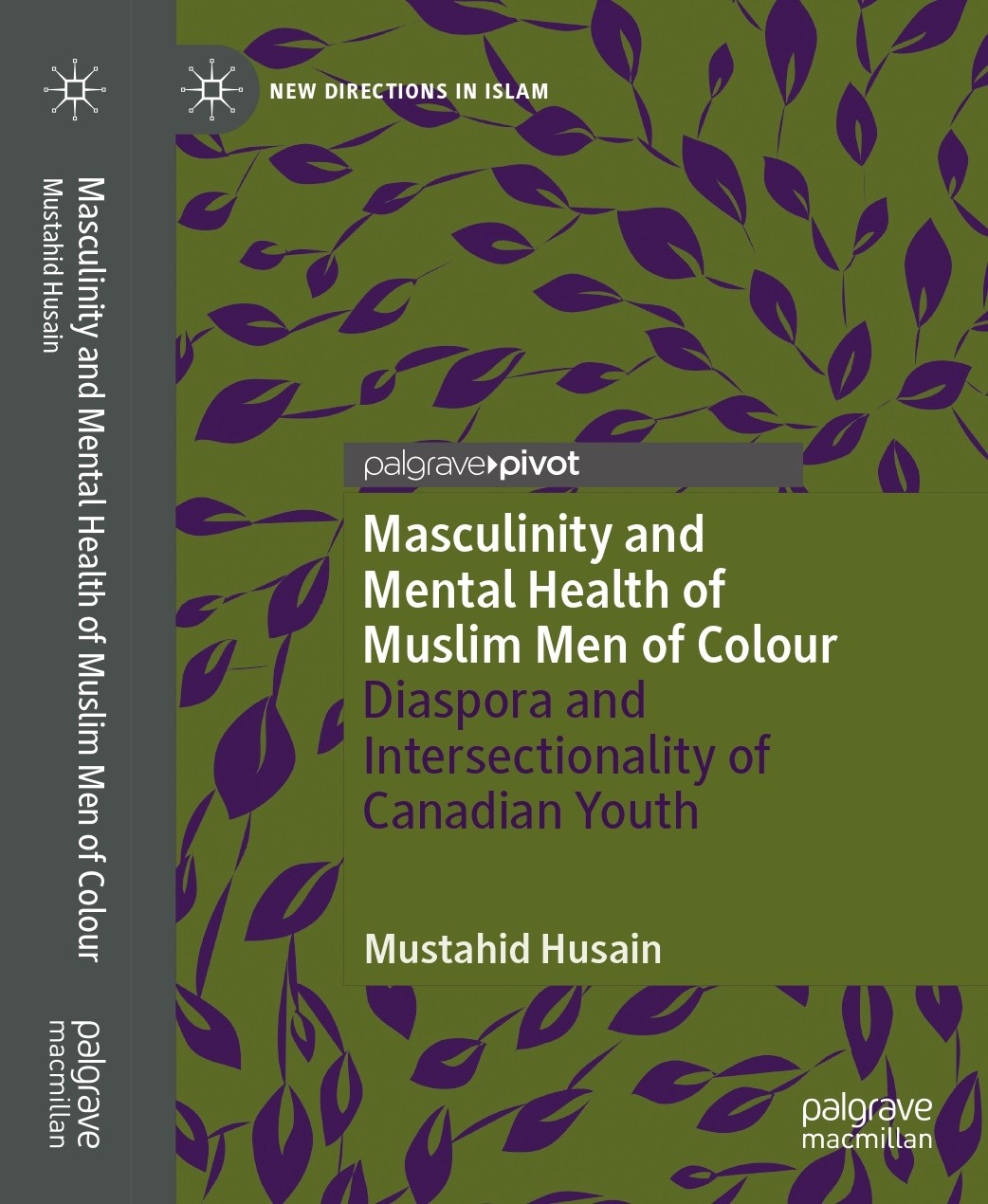
Masculinity and Mental Health of Muslim Men of Colour: Diaspora and Intersectionality of Canadian Youth
Excerpt:
This ground-breaking monograph delves into the complexities of masculinity, mental health, and cultural identity among young Bangladeshi-Canadian men. Employing an anthropological, intersectional approach, it scrutinizes the interplay of neoliberalism, Islamic piety, and diasporic experiences in shaping their masculine trajectories. The study unravels the intergenerational trauma, parental pressures, and societal expectations that contribute to their deteriorating mental well-being. With a unique insider perspective and rich empirical data, the findings fill a crucial gap in the literature by offering invaluable insights for scholars exploring the nuances of migration, ethnicity, gender, and psychological resilience. Strikingly, the monograph proposes evidence-based interventions and policy recommendations to address the mental health struggles of this underserved population, making it a must-read for academics and policymakers alike.
Check out more details at Palgrave Macmillan
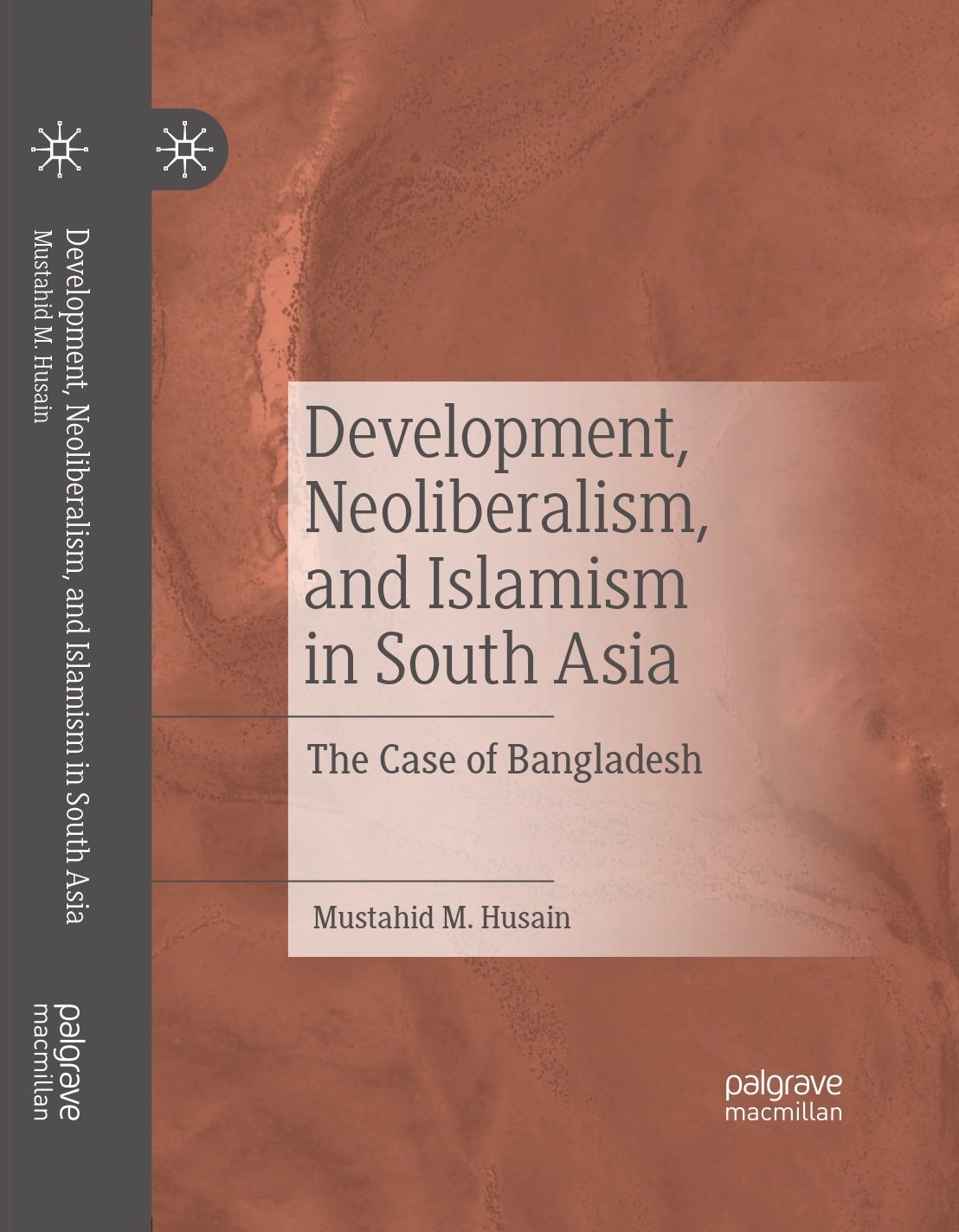
Development, Neoliberalism, and Islamism in South Asia: The Case of Bangladesh
Excerpt:
This monograph analyzes development through an examination of those class relations and how they are situated vis-à-vis the politics of development and economic globalization in Bangladesh, and how they shape aid delivery mechanisms and aid recipients’ choices in participating in such program.
One of the main findings is that development in Bangladesh relies on dual hegemony, which he articulates as an alliance between the new Bangladeshi political and economic elite and the Western international aid/development industry.
Dr. Husain argues that dual hegemony functions in such a way that it erodes the Bangladeshi middle-class and reinforces class and caste differences through the privatization of the public sector and greater fragmentation of civil society. This book is of interest to scholars of political Islam, international politics, and security studies, including terrorism and the politics of South Asia.
Scholarly Reviews: i) Contemporary South Asia, ii) Economic and Political Weekly, iii) Canadian Journal of Development Studies, iv) Global South Development Magazine
Get your own copy from Amazon